
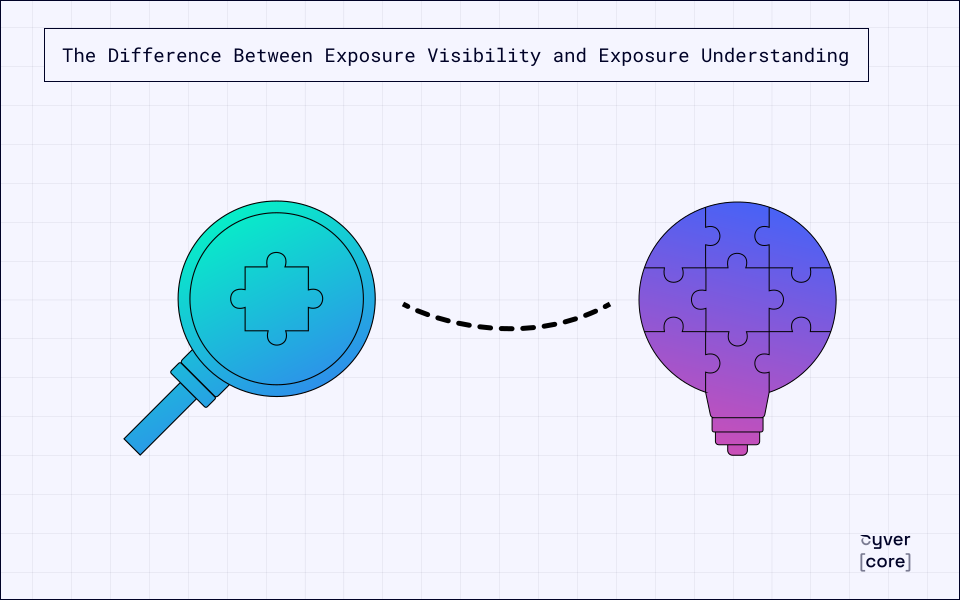
One of the most important things to remember in the world of pentesting is that exposure doesn’t equal risk. Just because a pentest team might find hundreds of vulnerabilities, that doesn’t mean they’re automatically finding severe, realistic threats.
There’s a difference between exposure visibility and exposure understanding that organizations need to understand – as without that understanding, it becomes very hard to focus resources where they’ll have the biggest impact.
Exposure Visibility: Explained
Let’s start by looking at exposure visibility. Put simply, this is the ability to identify what exists within an organization’s environment and where potential weaknesses might be present.
For pentest teams, this typically involves discovering the exposed assets and ensuring they’re made visible. In terms of visibility, this is most effectively done through an automated pentest reporting platform, where teams can keep track of what is exposed and maintain supporting evidence.
Exposure Understanding: Explained
Visibility, however, only provides the starting point. As we just mentioned, bringing the vulnerabilities together in one place can tell an organization what is exposed, but it doesn’t necessarily indicate how dangerous that exposure is and what impact it could realistically have.
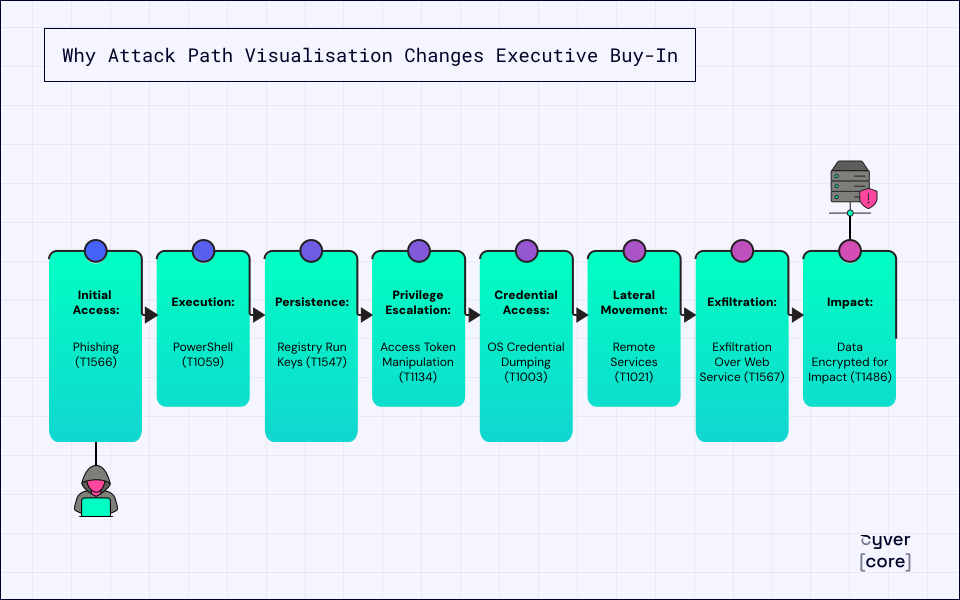
For instance, a vulnerability might exist on a system without providing a realistic attack path, while another seemingly minor weakness could become critical if an attacker chains multiple weaknesses together. Understanding that difference requires recognizing how those exposures connect together and what an attacker could realistically achieve.
The Benefits of Automated Reporting
It’s important to note here that automated reporting isn’t just valuable for visibility – it’s important for context too. This is the information that’s really needed when moving from exposing the vulnerability to actually being able to remediate it.
A vulnerability report on its own can only tell an organization so much, which means it effectively leaves security teams to figure out the significance of each weakness themselves – thus creating a gap between exposure and understanding.
Automated reporting, however, helps to bridge this gap by not only providing visibility but ensuring every element of an assessment remains connected.
Rather than presenting vulnerabilities as isolated findings,pentest teams can link the exposure with the affected systems and the potential impact, ultimately preserving the relationship between individual weaknesses and the wider attack narrative, and ensuring security teams can more easily comprehend it.
The Difference: Realized
To explain further, let’s look at two examples of how this difference can appear in practice.
Disconnected Information
Imagine a pentest team assessing a large financial services organization. During an engagement, one tester discovers that an internal API endpoint is accessible from a user network segment, another identifies a low-privilege account with too many permissions, and a third documents some unusual authentication behavior.
Individually, these discoveries appear relatively limited and, even more importantly, disconnected: the exposed API is recorded as an access control concern, the excessive permissions are documented as an identity management issue, and the authentication behavior is noted separately.
Separate Findings
When the final report is created, then, the organization receives three separate findings.
They know the API exposure exists, they know that permissions are too broad, and they know their authentication controls require attention, but they don’t see the bigger picture: that these weaknesses could easily be combined into a realistic attack path that allows an attacker to move from a standard user account toward sensitive internal systems.
Fragmented Interpretations
The problem isn’t that the pentest team failed to discover the vulnerabilities – they found everything they needed to. But because the information was disconnected, the significance of the findings was reduced during the reporting process, leading to a fragmented interpretation of risk. The organizations can see the weaknesses, yes. But they don’t gather a clear understanding of their potential impact.
Disconnection vs Connection
Now imagine the same scenario with a pentest team using a streamlined workflow where findings, evidence, and attack activity remain connected throughout the engagement.
When the API is discovered, it’s linked directly to the affected system and the evidence demonstrating the access, and the same is true for the excessive permissions and authentication weaknesses – both are added to the same narrative, since they’re part of the same potential attack path.
Instead of receiving three disconnected findings, the client receives a clear explanation of how an attacker could move through their environment, and as such, a way to streamline the remediation workflow and ensure it’s effective.
Conclusion
This is the difference that turns exposure visibility into exposure understanding.
The vulnerabilities themselves are not changed, and the technical discoveries are the same, but the value comes from preserving the relationship between each piece of information, and allowing organizations to comprehend why it matters and what should be addressed first.
From there, they have a far better chance of actually protecting their environment and ensuring their security posture remains as strong as possible.