
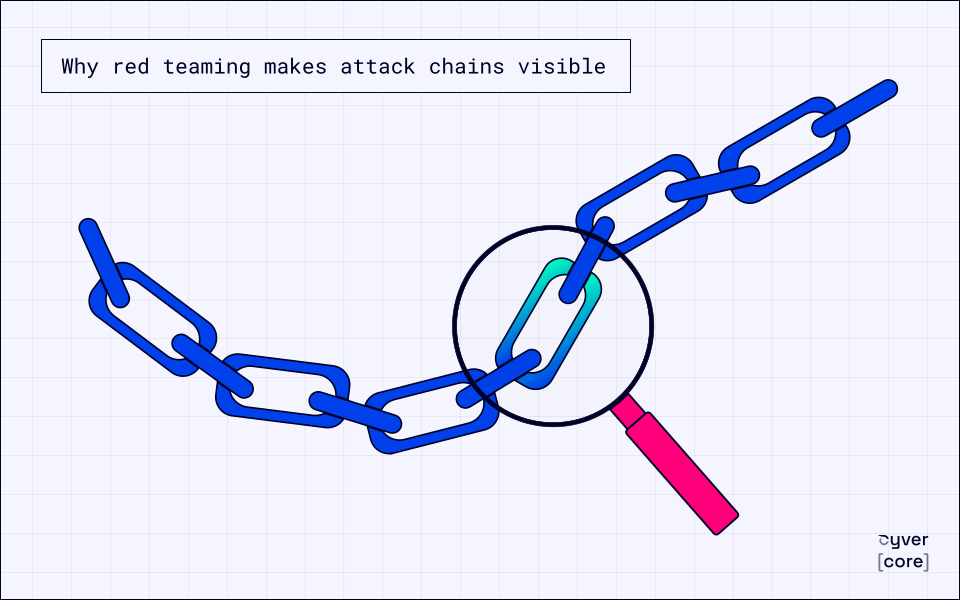
Attackers don’t break in through the front door. They sneak, chain, escalate, and move. They might start with a seemingly low-risk vulnerability, jump to an identity misconfiguration, and land in your production environment before you even spot the alerts. This step-by-step process, known as the attack chain, is the reality behind modern intrusions. And red teaming is how you get ahead of it.
Red teaming vs. traditional testing
Standard pentests are useful for coverage. They list vulnerabilities, provide severity scores, and offer recommendations. But they rarely capture how attackers actually work. Red teaming flips the script by simulating how an adversary would chain those findings together to achieve their goal. It’s not about theoretical risk, it’s about showing how someone could break into your environment right now, with what you already have exposed.
Red teaming is less about breadth and more about depth. It’s not just "can I get in?", but "how far can I go, and what can I reach when I get there?"
Why attack chains matter
Think of a red team exercise as a full storyline. Recon, phishing, credential harvesting, lateral movement, persistence. Every step in the attack chain reveals how systems, identities, and processes interact. The more complex your infrastructure, the more opportunities to chain issues together in ways you hadn’t predicted.
Attack chains aren’t built on single CVEs. They’re built on connections and if you’re only testing issues in isolation, you’re missing the bigger picture.
Testing your detection and response, not just your surface
Red teaming isn’t just about what the attacker does. It’s also about what your team sees, and how they respond. Can your SOC detect privilege escalation? Do your EDR tools flag lateral movement? Did the phishing email get reported?
These exercises are gaining traction not just because they simulate attacks, but because they help measure real-world readiness. Red teaming becomes the benchmark, not for how secure your tools are, but for how prepared your team is to act under pressure.
The role of platforms like Cyver Core
Connecting the dots is hard. Red teamers may spend weeks preparing a report that outlines every move they made, but unless that story gets translated into something your internal teams can act on, it’s just another dense document.
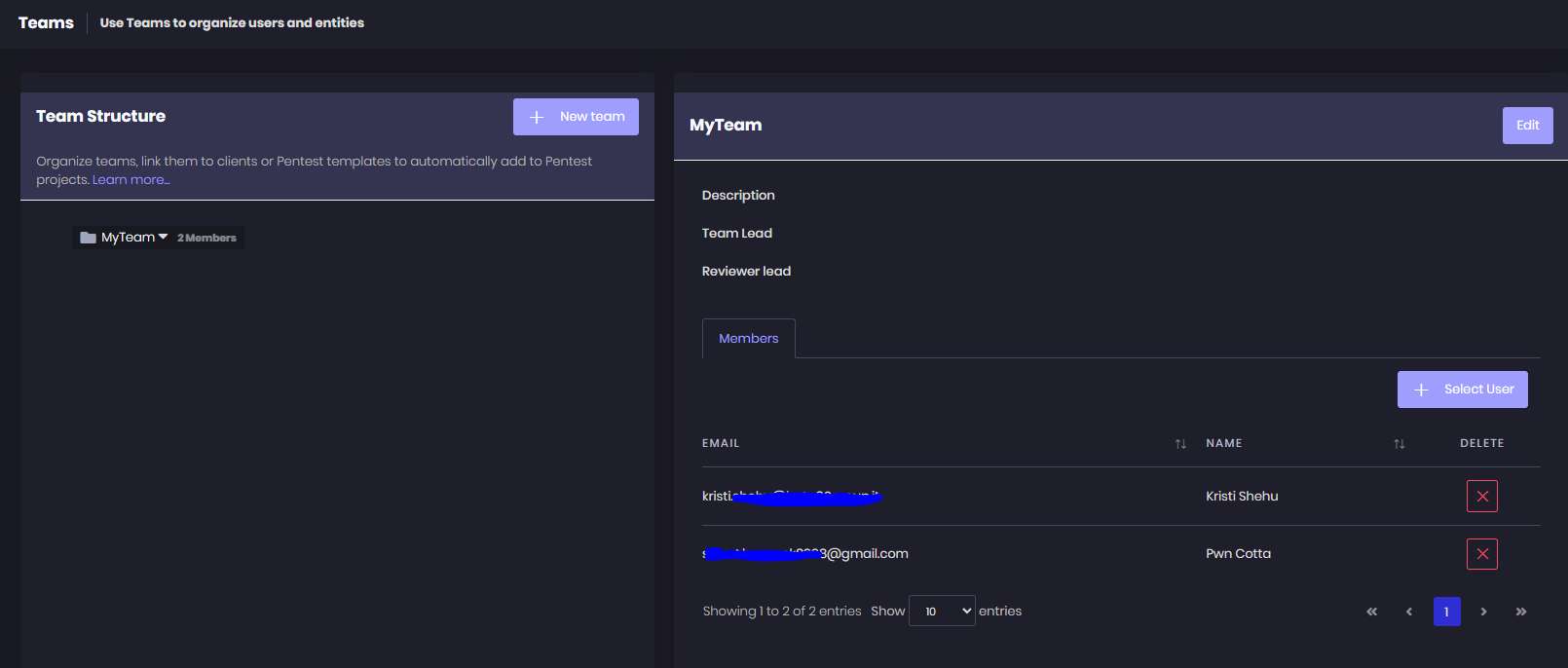
Platforms like Cyver Core help bring structure to these stories. By mapping findings into visual attack paths, surfacing related exposures, and showing how vulnerabilities relate to identities and assets, teams don’t just get a list. They get a narrative, with context, prioritization, and a way forward.
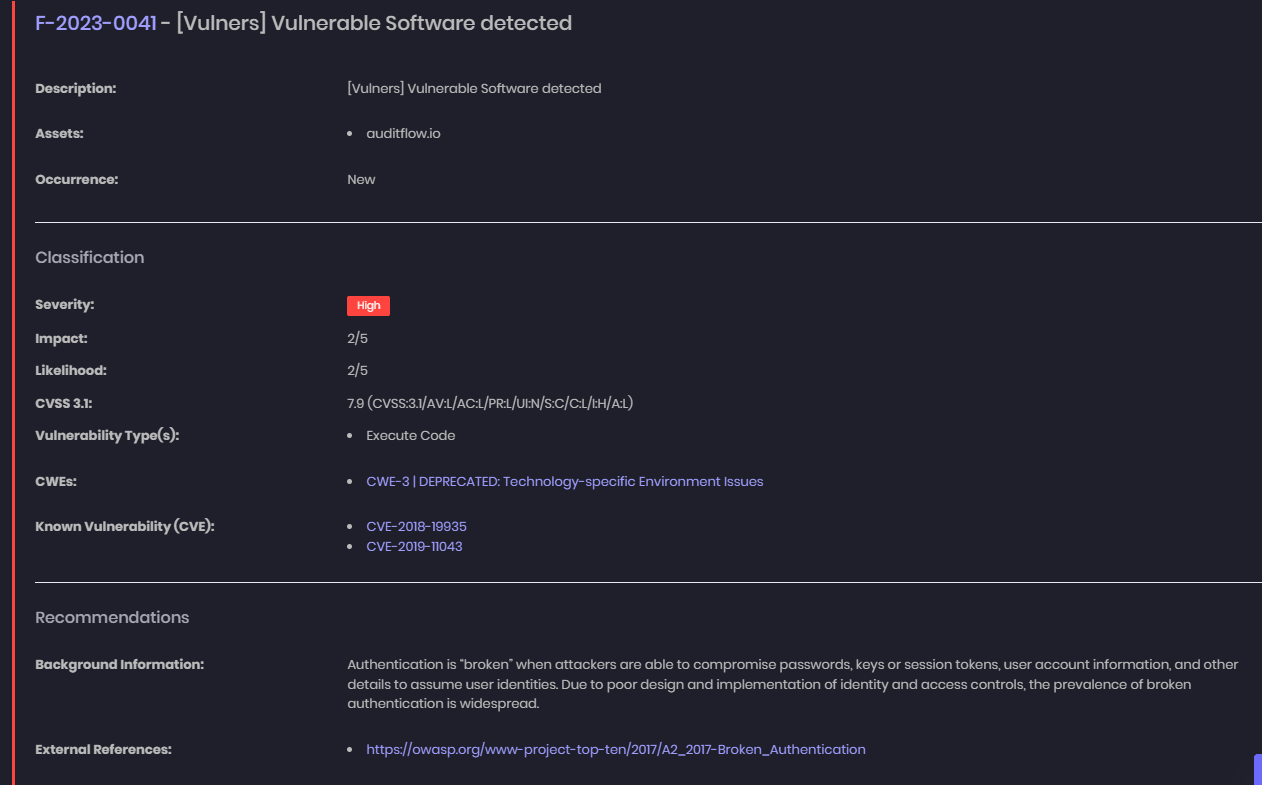
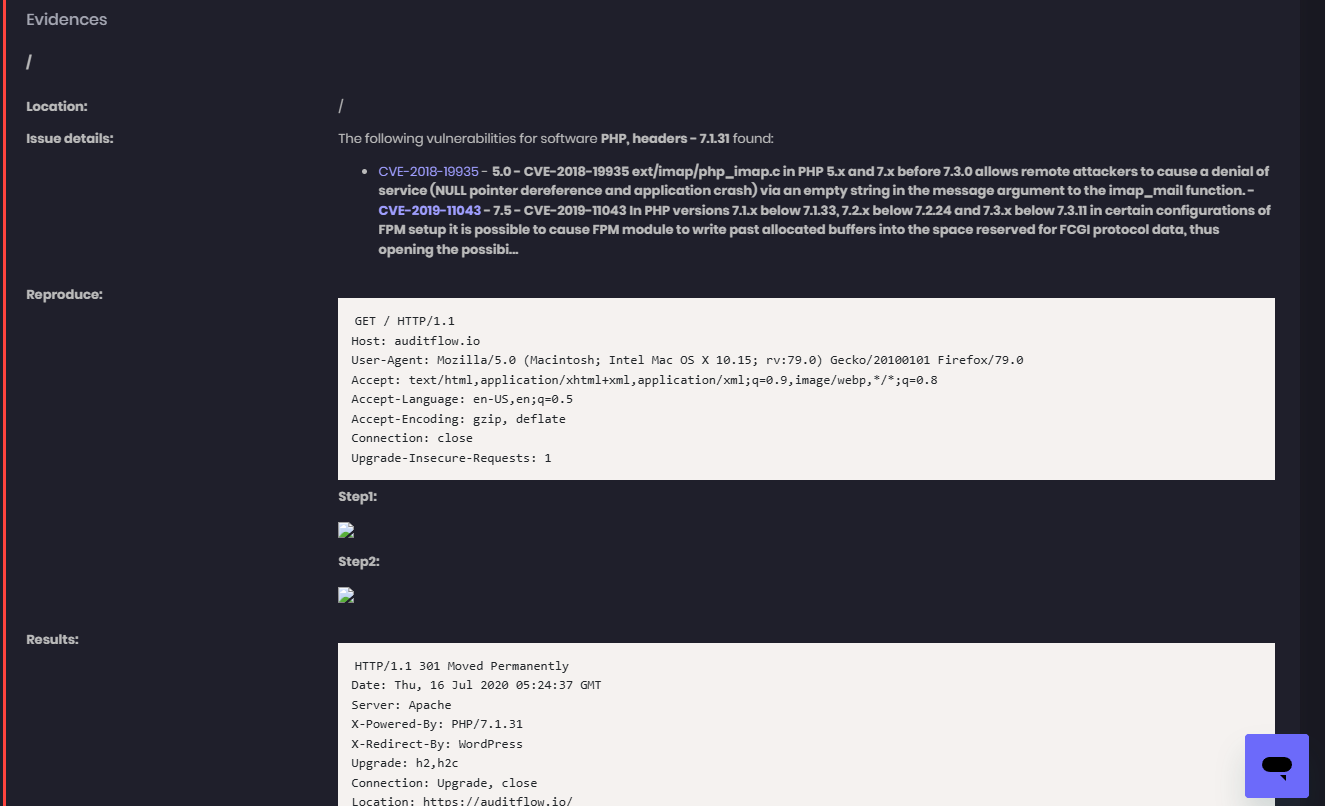
When you understand the attack chain, you know where to intervene. Sometimes the fix is patching a vulnerable service. Sometimes it’s tightening IAM policies and often, it’s both. Red teaming helps you see the chain, and tools like Cyver Core help you break it. Because the sooner you know where the attacker could go, the easier it is to stop them from getting there.
Ready to see how Cyver Core maps, tracks, and prioritizes attack chains from red team findings? Run a test project and explore how Cyver turns findings into actionable insight.

Cybersecurity writer who swears he didn’t choose his pen name because he once bricked a server with a single mistyped command.