
You found the vulnerability. You issued the fix. You closed the ticket. But is the problem really gone? In a world where threat actors don’t just exploit known CVEs but actively chain together seemingly minor weaknesses into full-fledged attack paths, retesting is no longer optional. And now, with AI in their arsenal, attackers don’t just find the obvious flaws, they explore your environment the way a human would, only faster, broader, and with fewer mistakes.
That means a fix on paper isn’t enough. You need to verify in practice, and you need to do it now, not when the next audit or pentest rolls around.
Fixing is not the finish line
Security teams are often measured by how fast they patch. Generally that makes sense, because speed reduces exposure time. But speed without verification creates blind spots. Was the fix deployed everywhere? Was it applied correctly in production and staging? Did it trigger any config drift or service exposure you didn’t notice? Did it actually fix the root cause, or did it just silence the symptom?
Retesting is the missing step that makes the fix real. It’s the proof point that separates hope from assurance. Especially today, when AI can quickly detect if a previous attack path has reopened, or if your patch left behind a new misconfiguration ripe for chaining.
Modern LLMs and AI-based tools can craft tailored payloads, perform reasoning across service interactions, and attempt privilege escalation through unorthodox chains. That means your environment isn’t only being scanned, it’s being understood, probed, and tested for lateral movement opportunities. If your remediation isn’t robust, attackers will know before you do.
Why attackers don’t stop at your fix
Let’s be clear, attackers don’t care if you closed the ticket. They care if the door is actually locked. In many cases, they come back. If they’ve seen your environment before, they test it again, looking for patterns. The original entry point might be closed, but is there a twin? A similar API? An overlooked access role? A temporary debug port left on after patch deployment?
And now with AI, attackers don’t need to spend hours combing through logs and endpoints. Their tools can ingest exposed data, correlate it, and generate attack prompts that test for overlooked weak spots. It’s not brute force, it’s smart hunting. They’re thinking like you, but without bureaucracy, without budget constraints, and without mercy.
Retesting means reenactment, not just review
This is where your mindset needs to match theirs. Good security teams don’t patch and move on. They reenact, meaning they replicate the original exploit. Then they test again. It’s not about to just verify the CVE is no longer active, they test the context around it, all the IAM roles or network exposure. The adjacent services that might still be chained together.
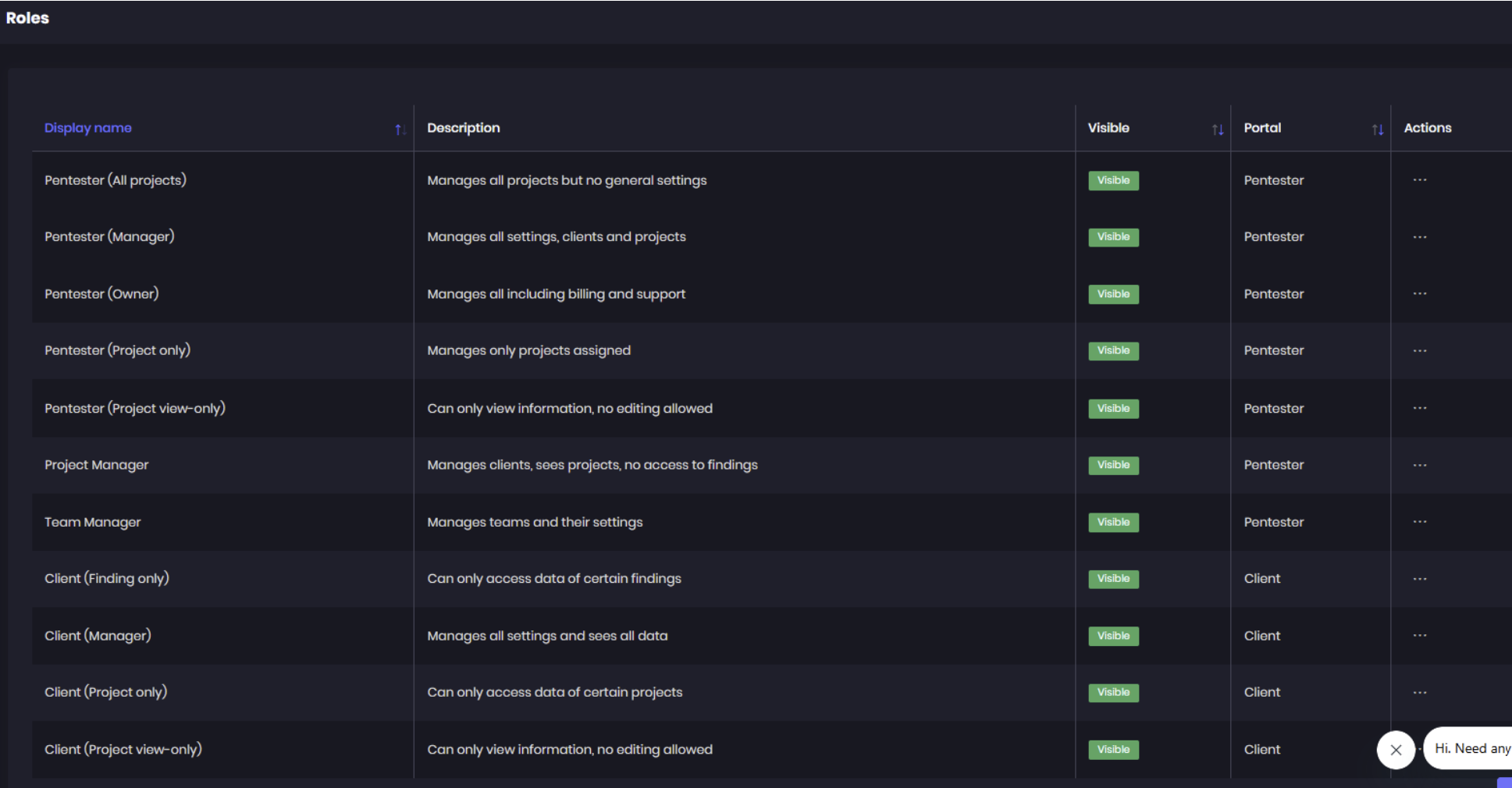
This is also where Continuous Threat Exposure Management (CTEM) enters the conversation. CTEM isn’t a fancy framework, it’s the evolution of security verification. In a CTEM cycle, threats aren’t reviewed once a quarter, but they are simulated, validated, and resolved, continuously.
Retesting becomes the heartbeat of your CTEM loop. It ensures that every fix you apply isn’t just a silent assumption. It’s a confirmed mitigation, a closed path, not just a hidden one. CTEM also ties retesting directly to risk. You’re not retesting just to mark a box, you’re validating that business-critical assets are no longer exposed, and that new assets haven’t reopened old problems. That’s how security becomes measurable and adaptive, not theoretical.
Retesting through the Cyver lens
This is where platforms like Cyver Core come in. Traditional pentesting workflows are time-bound, find, report, fix, forget. But Cyver transforms validation into a repeatable, dynamic, and integrated process. You don’t need to wait for the next engagement to know if a fix worked. You can re-execute test cases immediately. You can track the same attack path through different stages of remediation. You can even document whether an issue is still exploitable or safely resolved, with evidence.
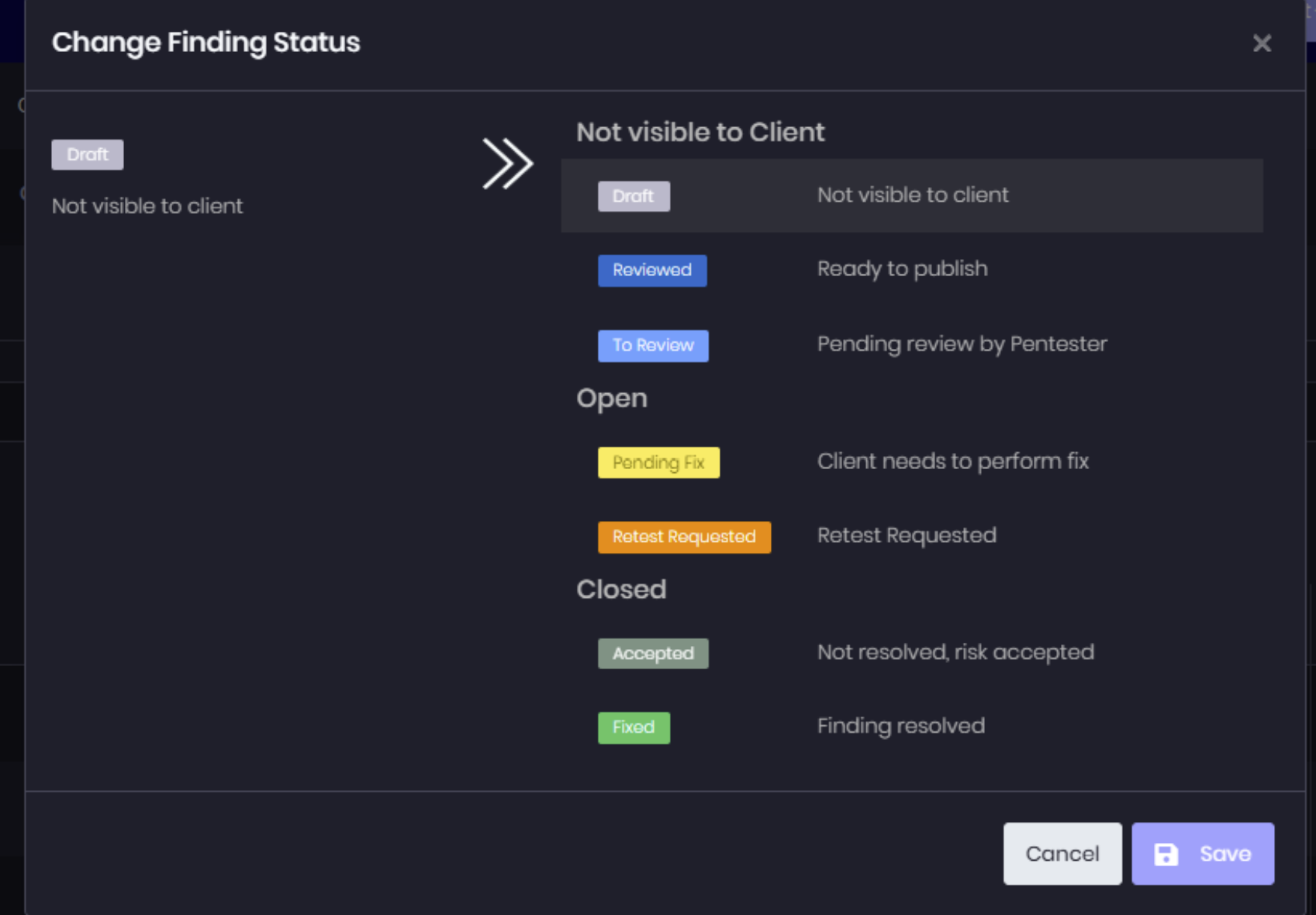
Retesting in Cyver isn’t about rescanning, but it’s about revalidation. It’s about taking the original exploit chain, the original test scenario, and replaying it in the new context, after the fix. It’s about plugging this process into a broader CTEM loop that reflects how your environment evolves day by day.
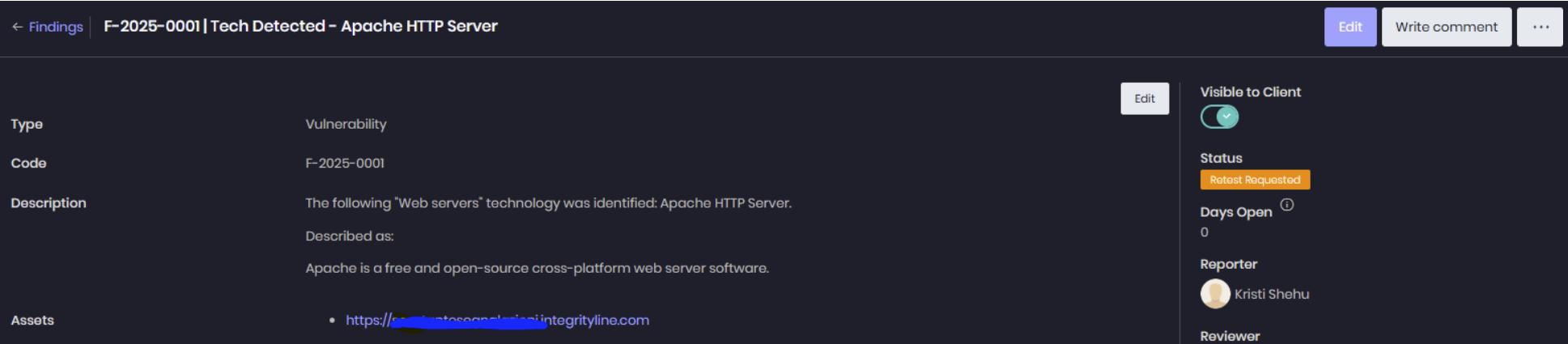
Even better, when your team is working across multiple clients or environments, Cyver lets you standardize how validation is done, reducing human error, cutting down verification time, and building a stronger feedback loop into your delivery.
From reactive to proactive: retesting in the AI age
The threats are evolving. Not linearly, but exponentially. AI has flattened the learning curve for attackers and multiplied their reach. The attack chains they build are no longer obvious. They’re adaptive, creative, and persistent.
That’s why retesting is no longer a best practice, it’s a baseline. It’s how you make sure the attacker’s next move doesn’t succeed because you assumed your last fix was enough. And this needs to happen fast. Retesting must become part of your daily rhythm, integrated with the same urgency as patching itself.
Cyver enables that urgency. It lets you move from reactive “we fixed it” thinking to proactive “we proved it” security. It gives you the confidence that your fixes hold up not just on paper, but against modern, AI-assisted exploitation attempts. Because in the end, attackers don’t read your report. They test your system. And in 2025, you better be retesting before they do.
Want to see what continuous retesting actually looks like in practice? Explore Cyver Core and start validating your fixes like an attacker would.

Cybersecurity writer who swears he didn’t choose his pen name because he once bricked a server with a single mistyped command.